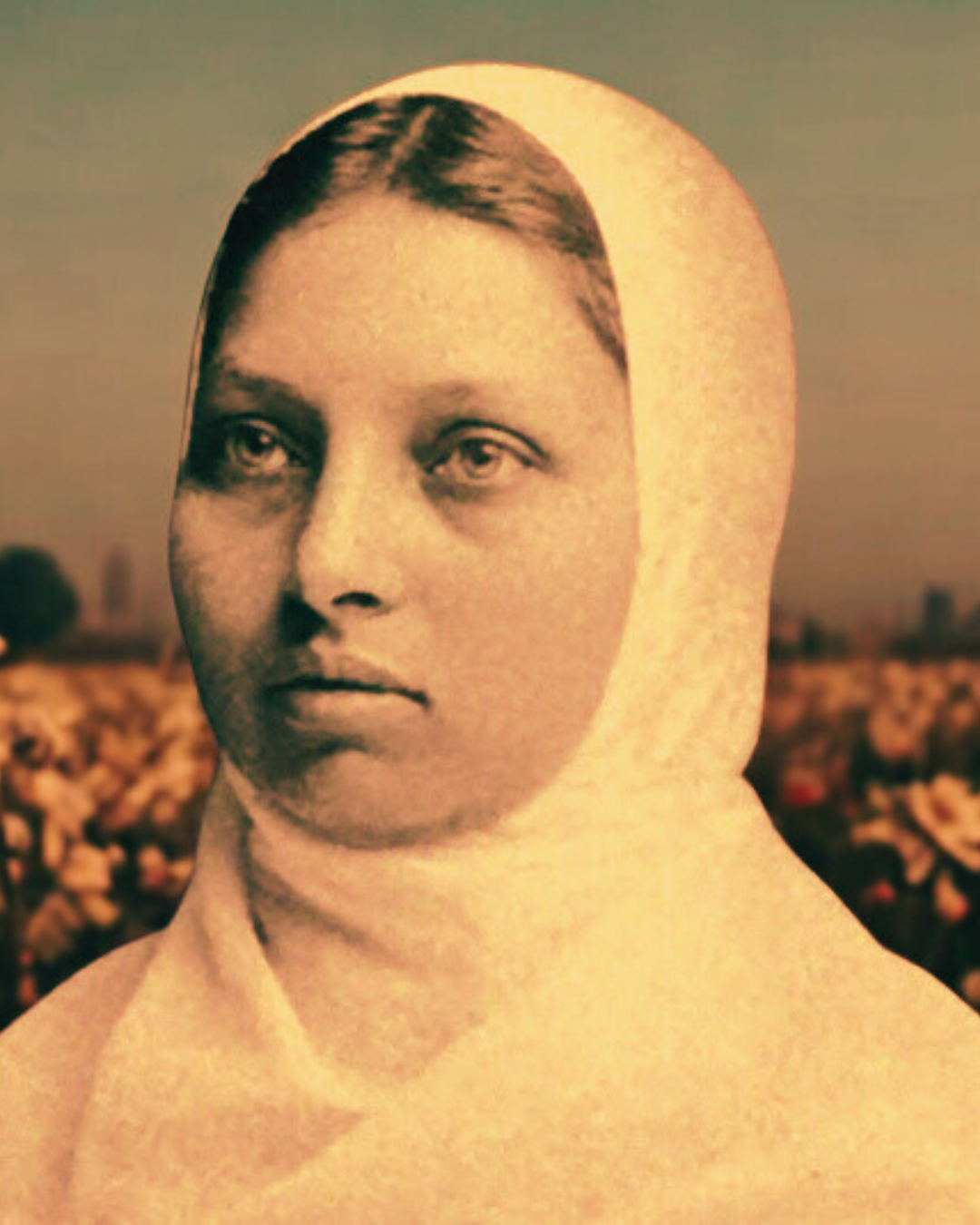
As we enter the second week of Women’s History Month, I want to take this time to reflect on Pandita Ramabai. She’s a fascinating figure and not nearly as well-known in Western theology as she should be. For much of Christian history, the names of great theologians have been overwhelmingly male and overwhelmingly Western. Yet, there are many remarkable women whose scholarship, courage, and faith transformed the lives of thousands. Pandita Ramabai is one of those women.
Long before global Christianity became a topic of academic discussion, Ramabai was already shaping it by translating the Bible into Marathi, educating marginalized women, and building Christian communities. Ramabai was born in 1858 to a Marathi Brahmin family, and originally named Rama Dongre. Her father, who obviously loved her deeply, did something unusual for that time – he taught her Sanskrit, which was a language traditionally reserved for male scholars.
Pandita quickly showed the markings of a scholar, eventually earning that title through her extraordinary knowledge of the language. After her parents died, Ramabai began questioning Hinduism, particularly the treatment of women and widows. When she encountered Christianity, she discovered the truth and decided to convert.
After her conversion, Ramabai dedicated her life to helping widows and marginalized women in India at the Mukti Mission. The community housed and educated hundreds of women and girls who had been abandoned or exploited. Her faith directly informed her work. The Mukti Mission community experienced the supernatural power of God, serving as a light of revival and hope in India.
Most people have never heard of Pandita Ramabai, which is not surprising. The suppression of her name is quite intentional. In “Rewriting History: The Life and Times of Pandita Ramabai,” Uma Chakravarti writes that Ramabai’s “marginalization is not the mere consequence of gender bias in history, although that certainly accounts for part of it. It’s not merely an obscuring, as it is commonly the case with women, but a suppression.”1
Dr. Anjani Kumar elaborates on Ramabai’s expulsion, explaining that “Pandita Ramabai was one of the chief pioneers of women’s emancipation around the time when patriarchal notions of society were deeply embedded in the lives of Indian culture.”2 Ramabai’s courage, faith, and legacy elevate her as one of India’s greatest theologians. Tribhuwan refers to Pandita Ramabai as “one of the most noteworthy women India has ever produced.”3
1. Chakravarti, Uma. Rewriting History: The Life and Times of Pandita Ramabai. New Delhi: Kali for Women in association with the Book Review Literary Trust, 1998.
2. Dr. Anjani Kumar. (2024). Pandita Ramabai. The Voice of Creative Research, 6(4), 8.
3. Tribhuwan, Priyanka Sumitrakumar. “The Legacy of Pandita Ramabai: A Sociological Study.”
 Kiah Wakefield